


Mith and history: Palinuro
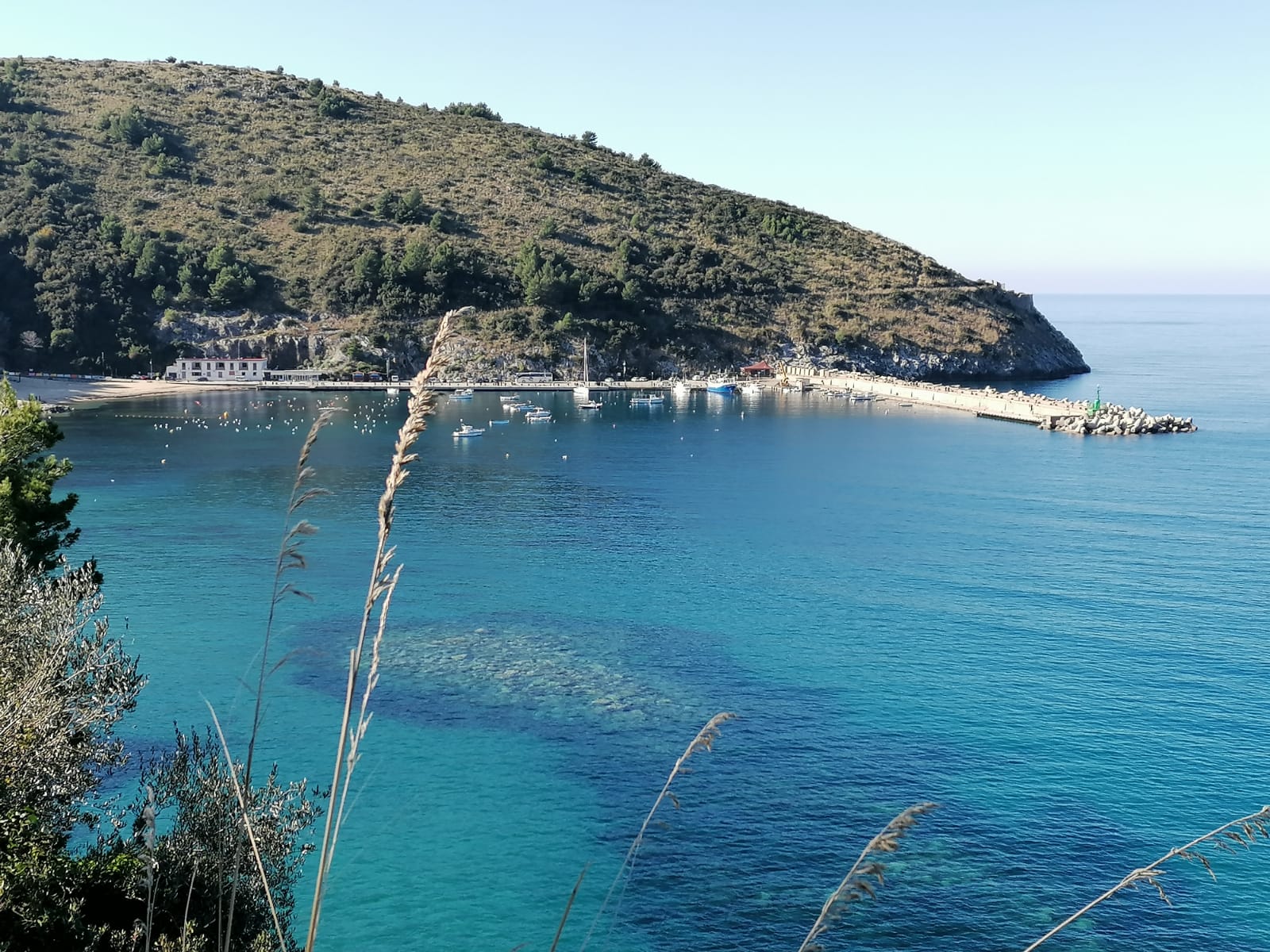
Cape Palinuro and its fascinating beauty need little introduction.
The charm of this corner of paradise has captivated sailors from all backgrounds for centuries.
The Greeks set many of their Myths there, the Latin poet Virgil eternalized its name, linking Palinuro to the legend of the founding of Rome, a successful undertaking immortalized by the phrase Unum pro multis dabitur caput, “one single life shall be offered to save many”. Palinuro, Aeneas’ helmsman, fell into the sea and landed on these coasts, where he was killed in the place that "aeternumque locus Palinuri nomen habebit", “will be called forever Palinuro”.
Palinuro is undoubtedly one of the best-known and most renowned destinations on the Cilento Coast. Every year, countless tourists flock to its beautiful beaches. However, there is an unknown, equally stunning side to Palinuro: its history spanning over 2,500 years.
This urban trek, which also doubles as a breathtaking photo trek, guides travellers through the symbolic locations of Palinuro while telling its story.
Inhabited by indigenous peoples since the 16th century BC—as evidenced by the Tempa della Guardia necropolis—it was an admirable example of sympoliteia during the Greek era, starting in the 6th century BC: Palinouros on the north side of the Cape, and Molpé on the south side.
The two cities formed a common polis, powerful enough to mint their own coins. Archaeological excavations have unearthed iconic incuse coins: the famous Pal - Mol (Palinuro-Molpa), a testament to the wealth of this strip of Magna Graecia, situated on the border between Elea and the powerful Sybaris. One of these coins is now housed in the British Museum, a sign of their immense historical value.
Palinuro’s importance continued to grow over the centuries. During the Spanish era, a major tuna fishery (tonnara) was established, and numerous coastal watchtowers were built.
Meanwhile, the Fortino di Monte d’Oro dates back to the Napoleonic era, where French troops barricaded themselves during the French Decade. Joachim Murat, King of Naples and Napoleon Bonaparte's brother-in-law, loved Palinuro deeply and famously said of it: “It's a pity it's not an island!”
The building where he lived, Murat’s Palace, is hidden among the characteristic alleys in the town center.
Later, the heart of the town saw the epilogue of the Cilento riots of 1828, the first libertarian attempt to unite Italy as a republic.
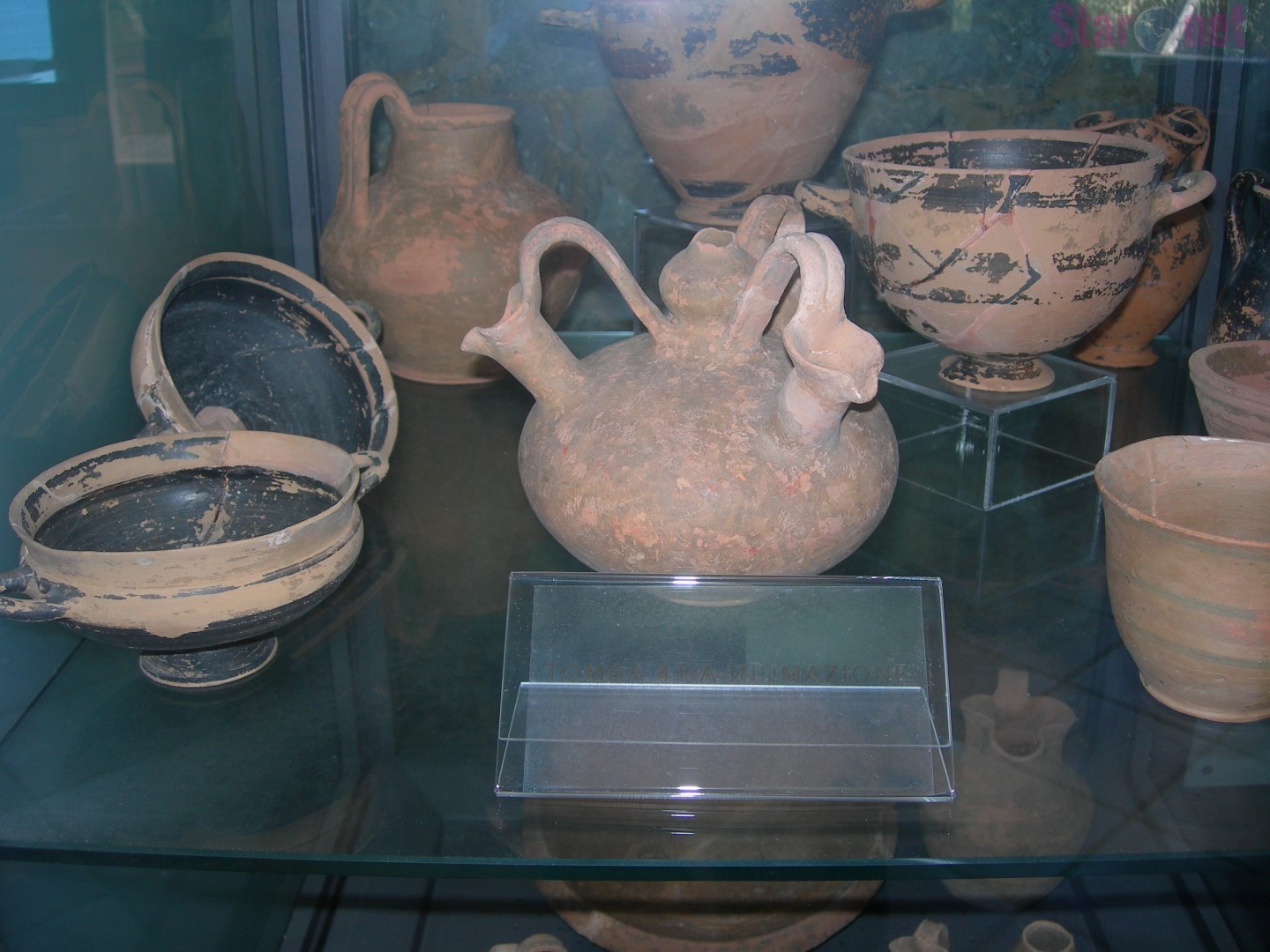
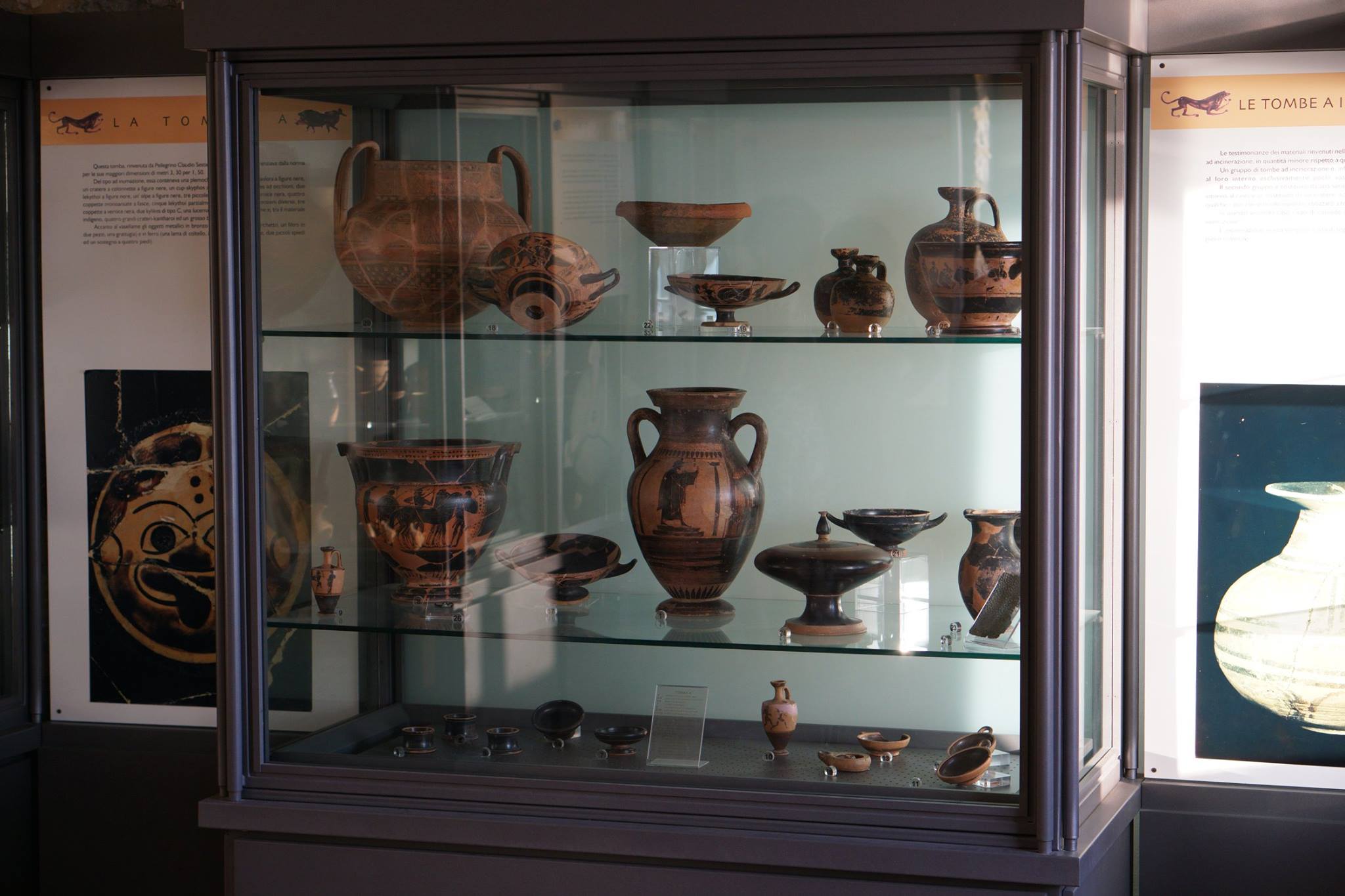
The walk concludes in one of the most beautiful and least-known places in Palinuro: the Antiquarium – Archaeological Museum, simply one of the most evocative museums in all of Southern Italy. Here, visitors can admire a series of significant archaic and Greek artifacts—evidence of the fusion between Oenotrians and Greeks—all found within the territory of Palinuro.
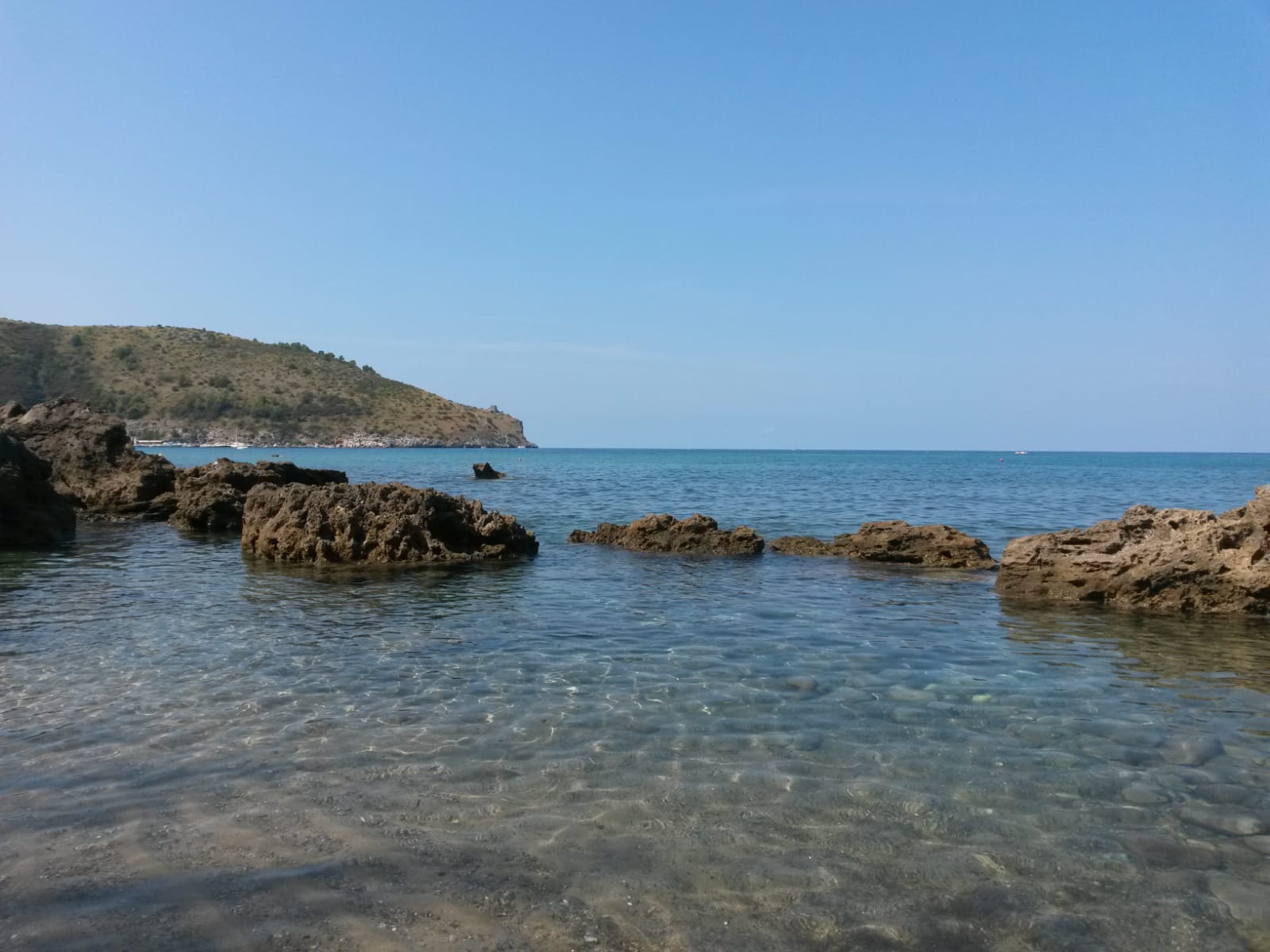
It is a small but magnificent treasure chest, featuring one of the most beautiful seas in the Mediterranean... and so much more!
https://cilentofortravellers.com/services/excursions/recitative-of-palinurus-walking-tour-antiquarium-ficocella
Check availability