


From Lucanians to Middle Ages: Roccagloriosa
Undoubtedly a must-see destination for its beauty and history: after Paestum and Velia, in fact, Roccagloriosa boasts the most important archaeological area in the entire Cilento.
The origins of Roccagloriosa are lost in the mists of time. Traces of human presence date back to the Neolithic period: flint blades from the 5th–4th millennium BC and artifacts from the Middle Bronze Age (2nd millennium BC) have been found here. Other significant traces date back to the Iron Age (8th–6th century BC).
Subsequently, the area was inhabited by pre-Roman Italic populations: Morgetes, Osci, and Oenotrians.
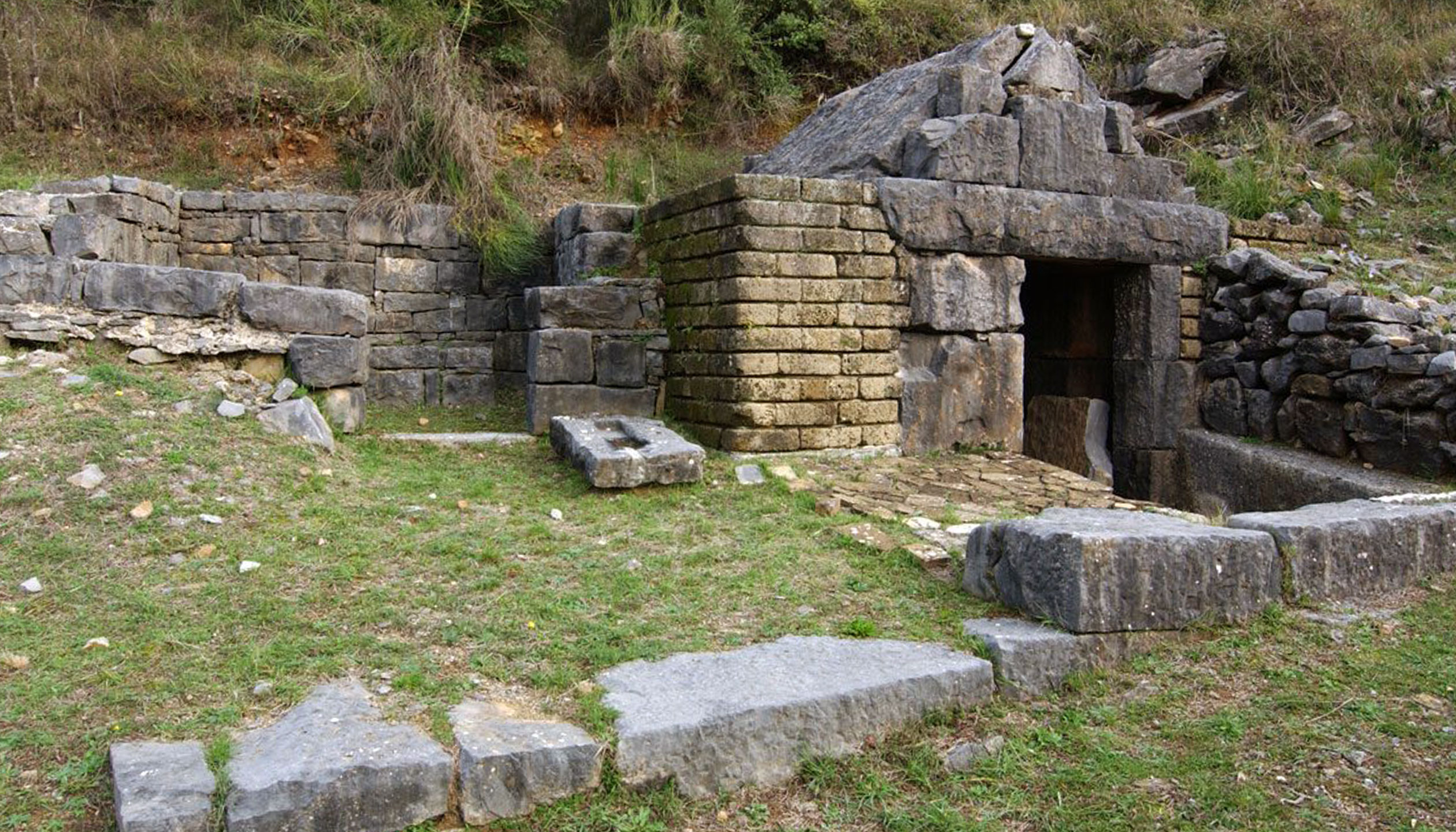
However, the most prominent settlement is undoubtedly that of the Lucanians, featuring a 4th-century BC necropolis whose excavations have revealed just how advanced, cultured, and organized their civilization was. From an archaeological perspective, it stands as one of the most important pre-Roman sites in all of Magna Graecia.
Due to its exceptional value, the archaeological area of Roccagloriosa has been the subject of study by the University of Alberta, Canada. Not bad for a village of just over 1,500 inhabitants!
Thanks to these studies, it was possible to bring to light a settlement complex of extraordinary value.
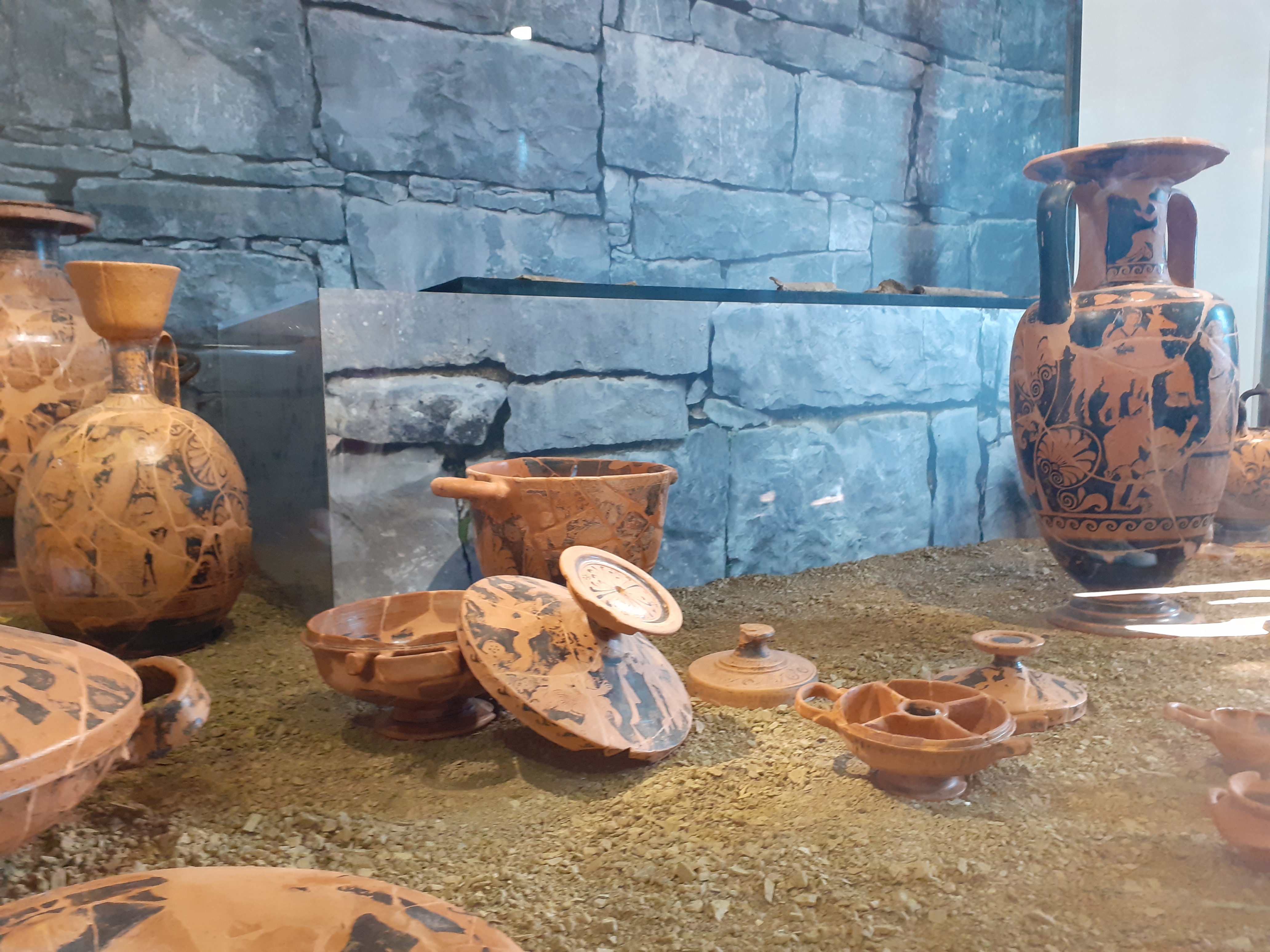
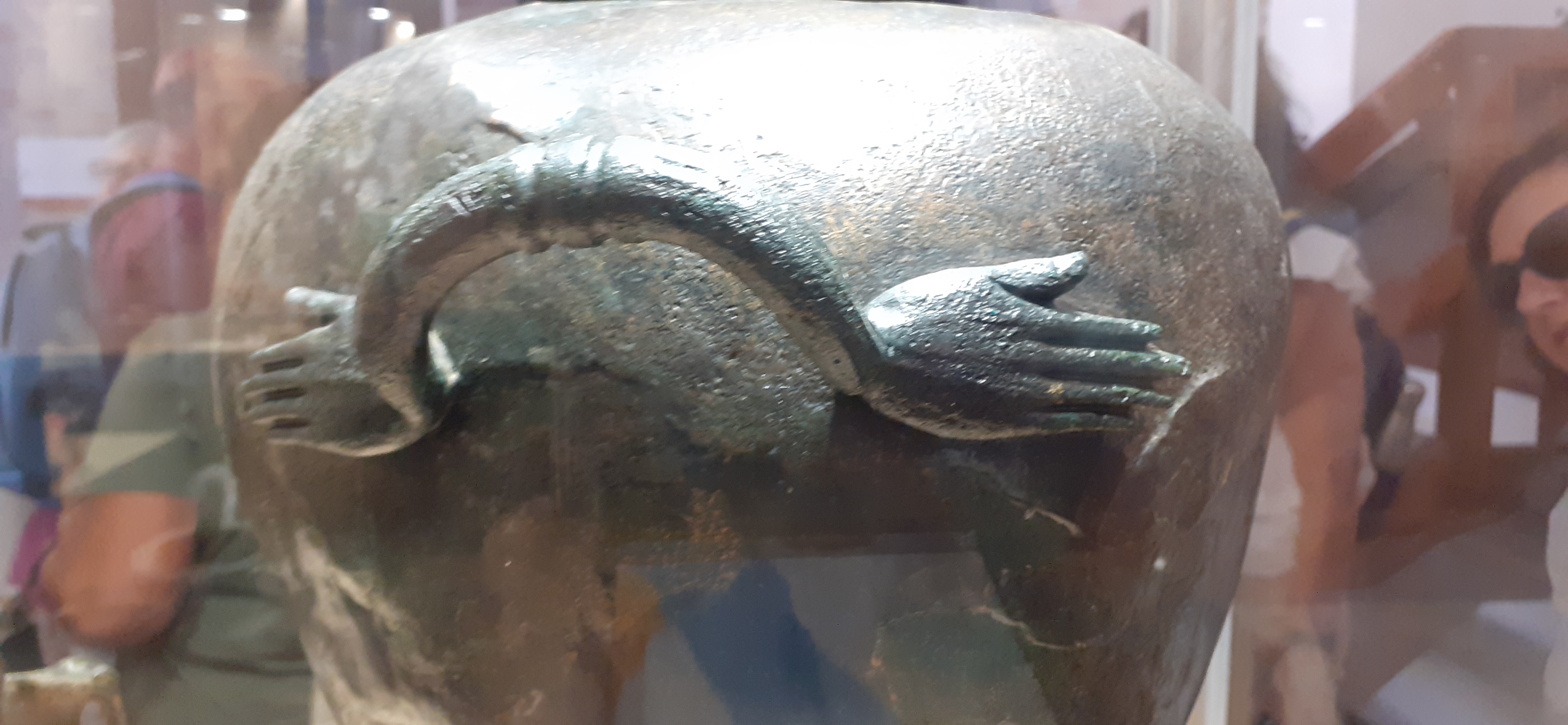
Among the burial complexes, Tomb 6 stands out as the oldest, featuring a collection of Etruscan-Campanian bronzes. Other artifacts, such as weapons and tablets, show that this was an extremely civilized and organized society: the city indeed had written laws, magistrates, and assemblies.
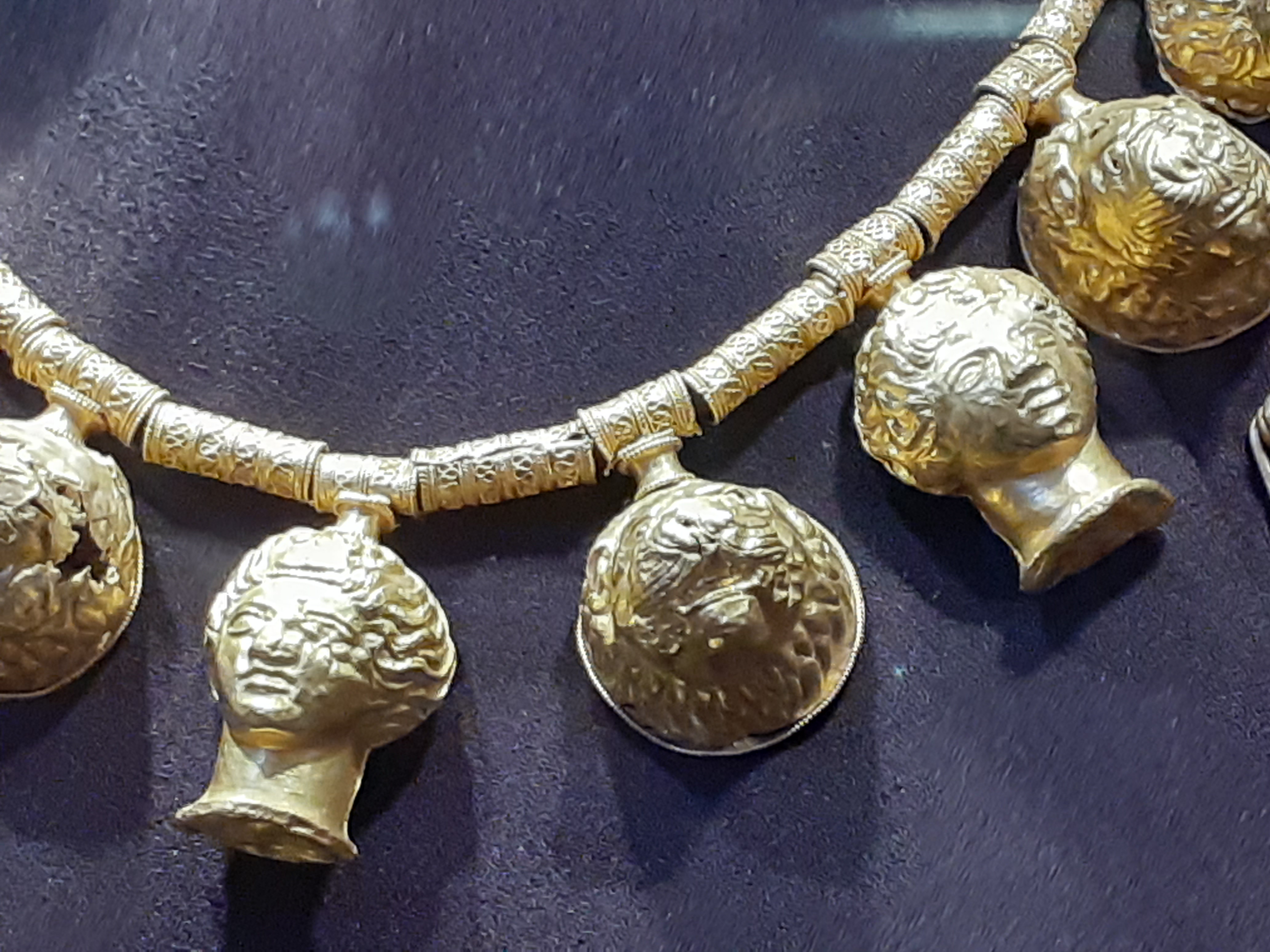
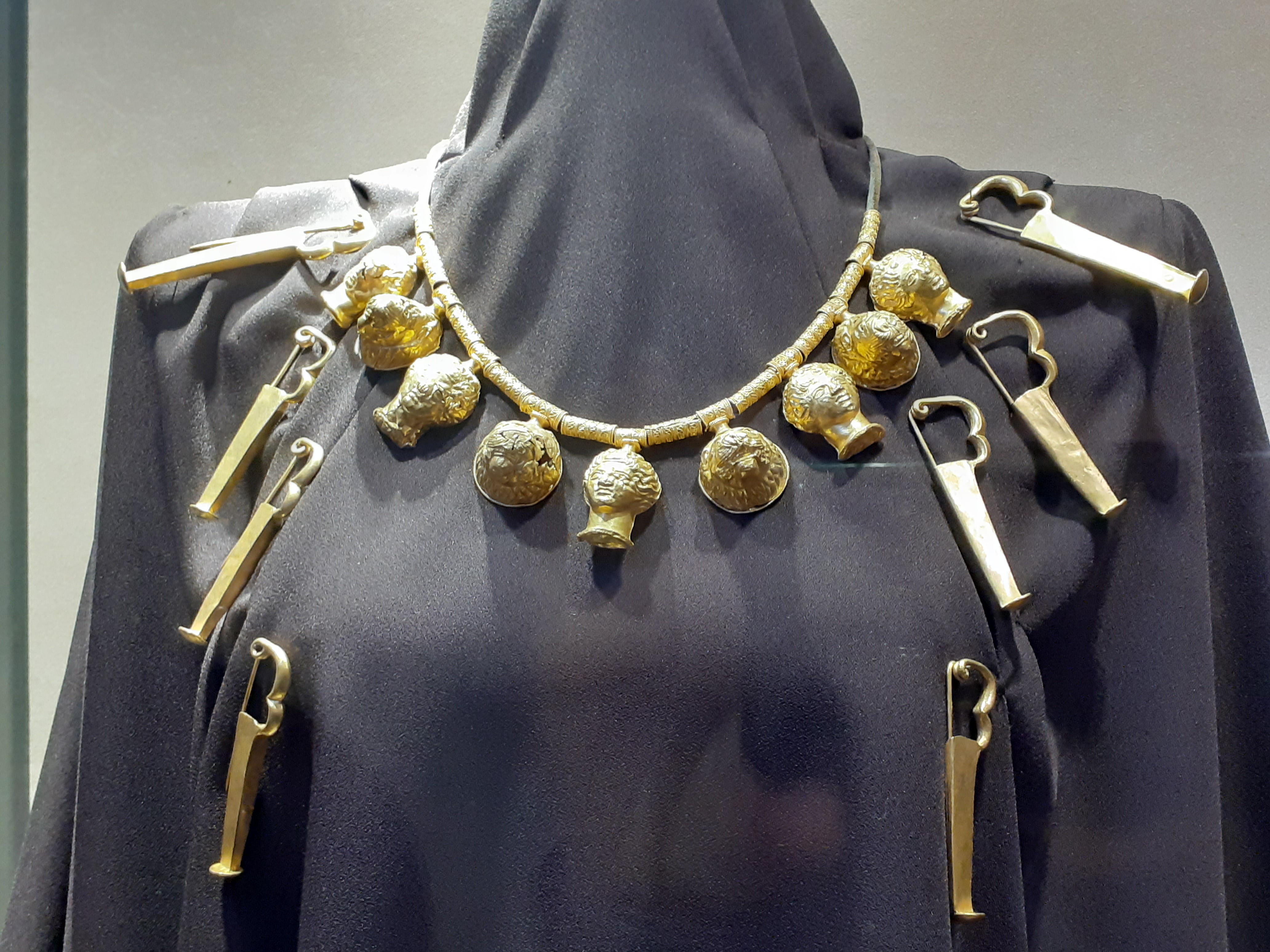
Grave goods and jewelry further bear witness to its immense wealth. Tomb 9 of the necropolis yielded a heritage as boundless as it is little known by mass tourism circuits: the Lucanian Gold of Roccagloriosa.
These include: rings, one of which features the Heracles Knot;
fibulae, in gold and silver, engraved with the swastika—a religious symbol of protohistoric Indo-European populations with propitiatory and apotropaic functions (its primal meaning being well-being), which can be found across Asia, even as far as Siberia, the Middle East, the Balkans, and throughout the Mediterranean area, also visible, for instance, in the Roman baths of Velia;
the bracelet, the Armilla, a coiled bangle in embossed gold already popular in Ancient Egypt and mentioned by Homer as an ornament of Venus;
the necklace, certainly the most important piece, featuring extraordinary chiseling.
These marvelous artifacts are not of local craftsmanship but belong to the most important goldsmithing school of antiquity in the entire Mediterranean basin: the Tarantine School.
Gold artifacts from the Tarantine school can be seen at the Louvre, the British Museum, the National Archaeological Museum of Naples, and the National Etruscan Museum of Villa Giulia in Rome, where they were taken.
However, the only institutions displaying Tarantine-school Gold found on-site are the National Archaeological Museum of Taranto and, precisely, the Antiquarium of Roccagloriosa.
For this reason, they are an unmissable treasure, and a visit to these museums is a must.
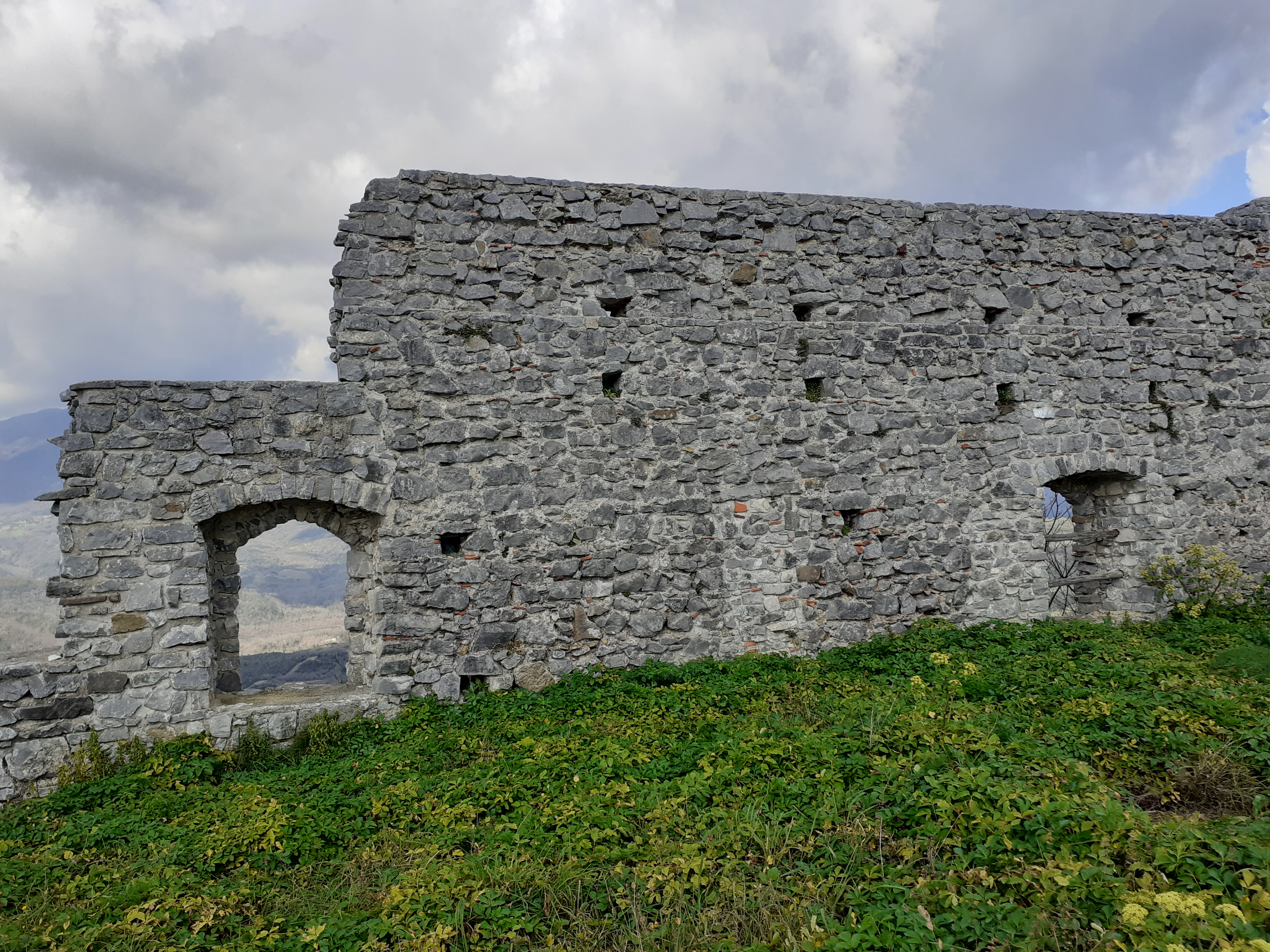
Its geographical position, located along the pass routes connecting it with the territories of Velia, Moio della Civitella (another highly important Lucanian center), the Vallo di Diano, and Basilicata, ensured the center remained important during the Roman era, when it took the name of Patrizia, and in the medieval period, when it took its current name.
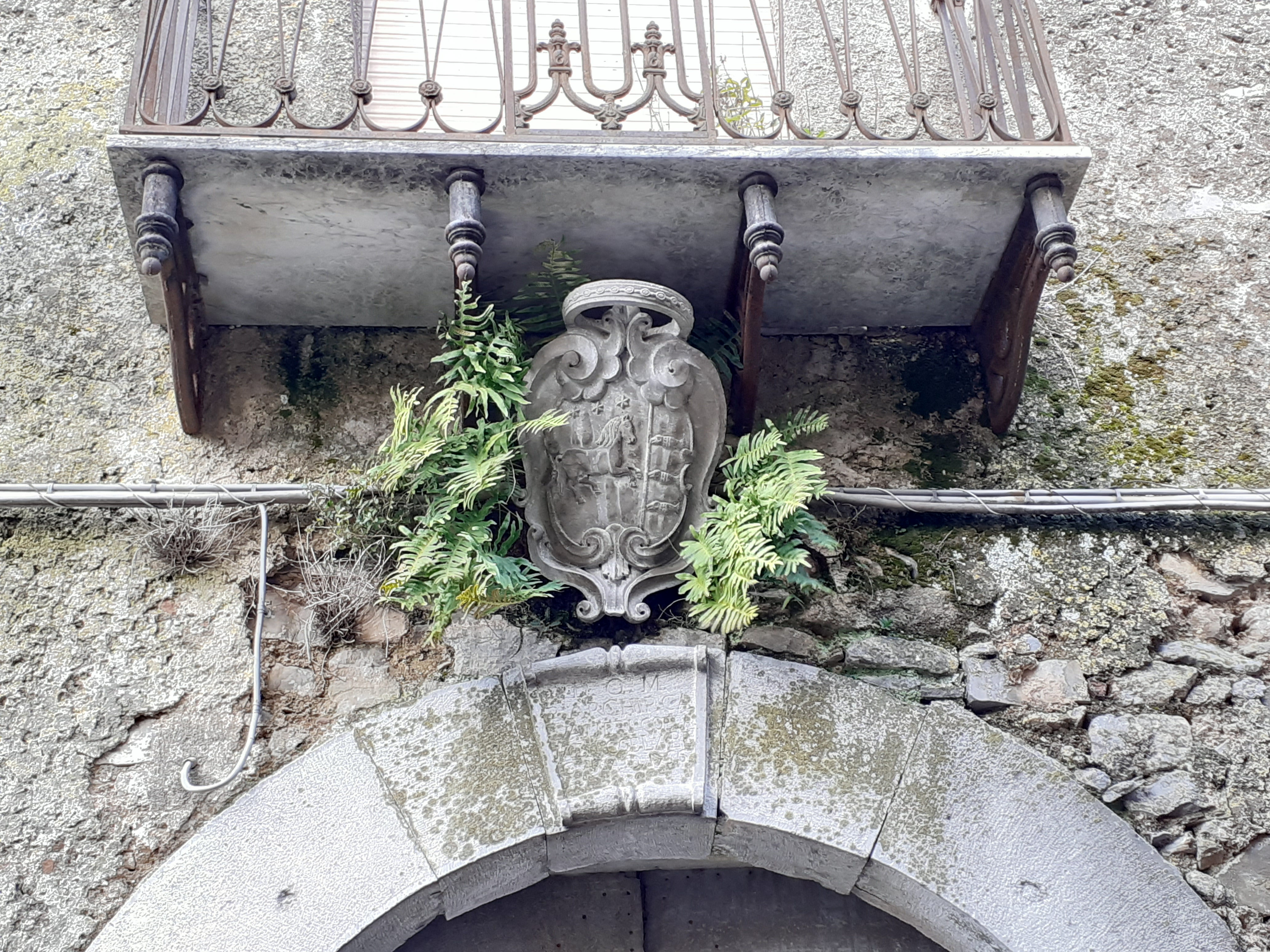
Even today, it represents one of the most important medieval settlements of Lower Cilento: the winding cobblestone streets, the staircases, the fountains, the cornices, its splendid palaces, the portals, the churches, and the small squares showcase the distinct character and richness of the old village.
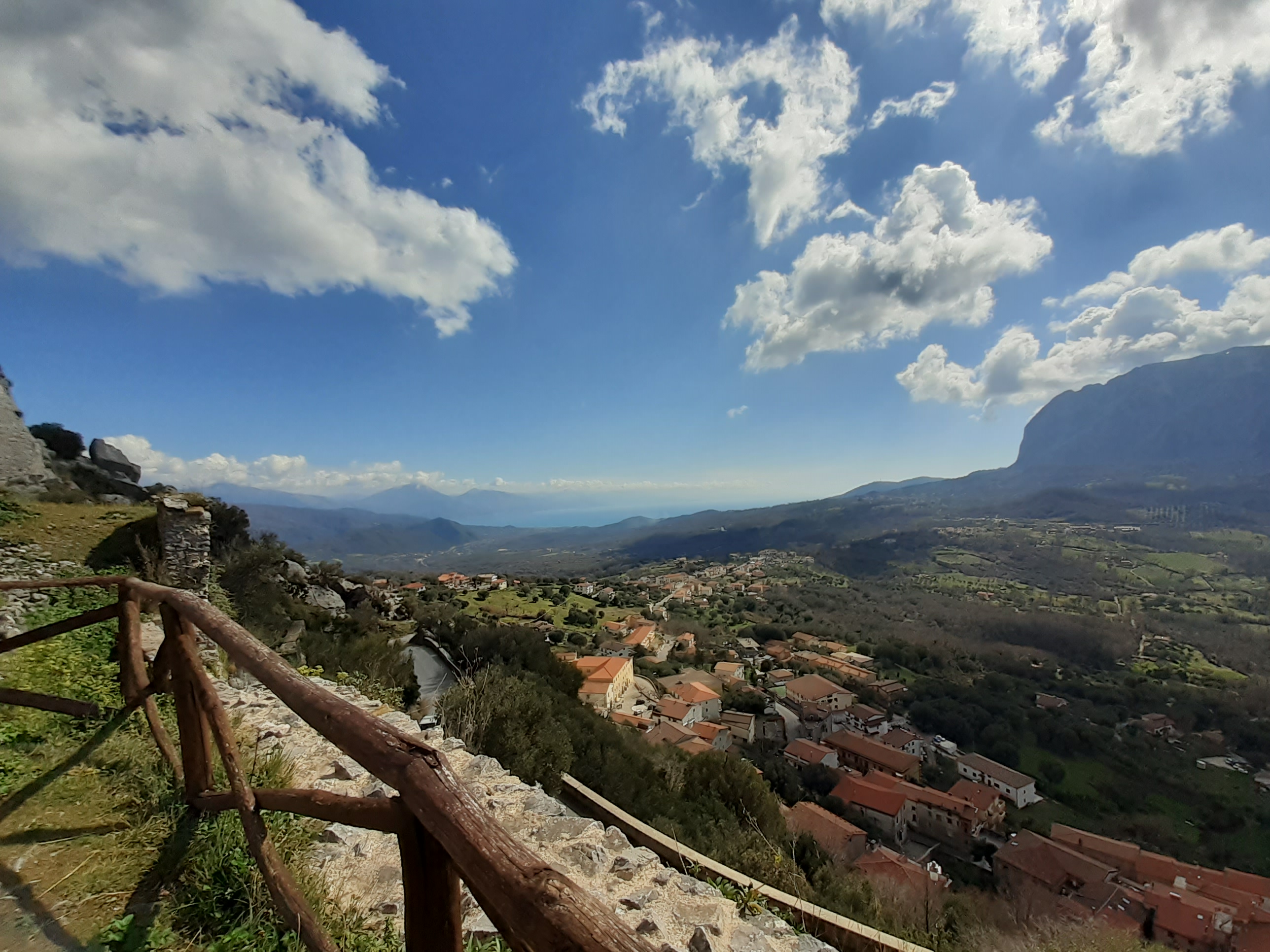
From its streets, it is possible to enjoy some of the most beautiful vistas in the entire Cilento: the Mingardo Valley, the Bussento Valley, Mount Bulgheria, and the sea of the Gulf of Policastro.
Check availability