


The Little Pixous: Piscotta
Pisciotta is one of the most beautiful villages in Cilento, featuring stunning landscapes and seascapes of immense natural, historical, and artistic importance. Furthermore, it is a land of culinary excellence, boasting unique Slow Food presidia.
Its origins date back to 915 AD and are linked to a tragic event: the destruction of Policastro (the ancient Pixous of the Greeks) by the Saracens. The survivors of the brutal raid fled north, beyond Capo Palinuro, and founded this new city. They named it after their lost homeland: Pixoctum, which means "Little Pixous".
This new village was mentioned for the first time during the Norman period in the Catalogus Baronum.
In a short time Pisciotta became a crucial fiefdom.
Later a theater of clashes between the Bourbons and Napoleon, it remained one of the most active Cilento centers throughout the entire Risorgimento.
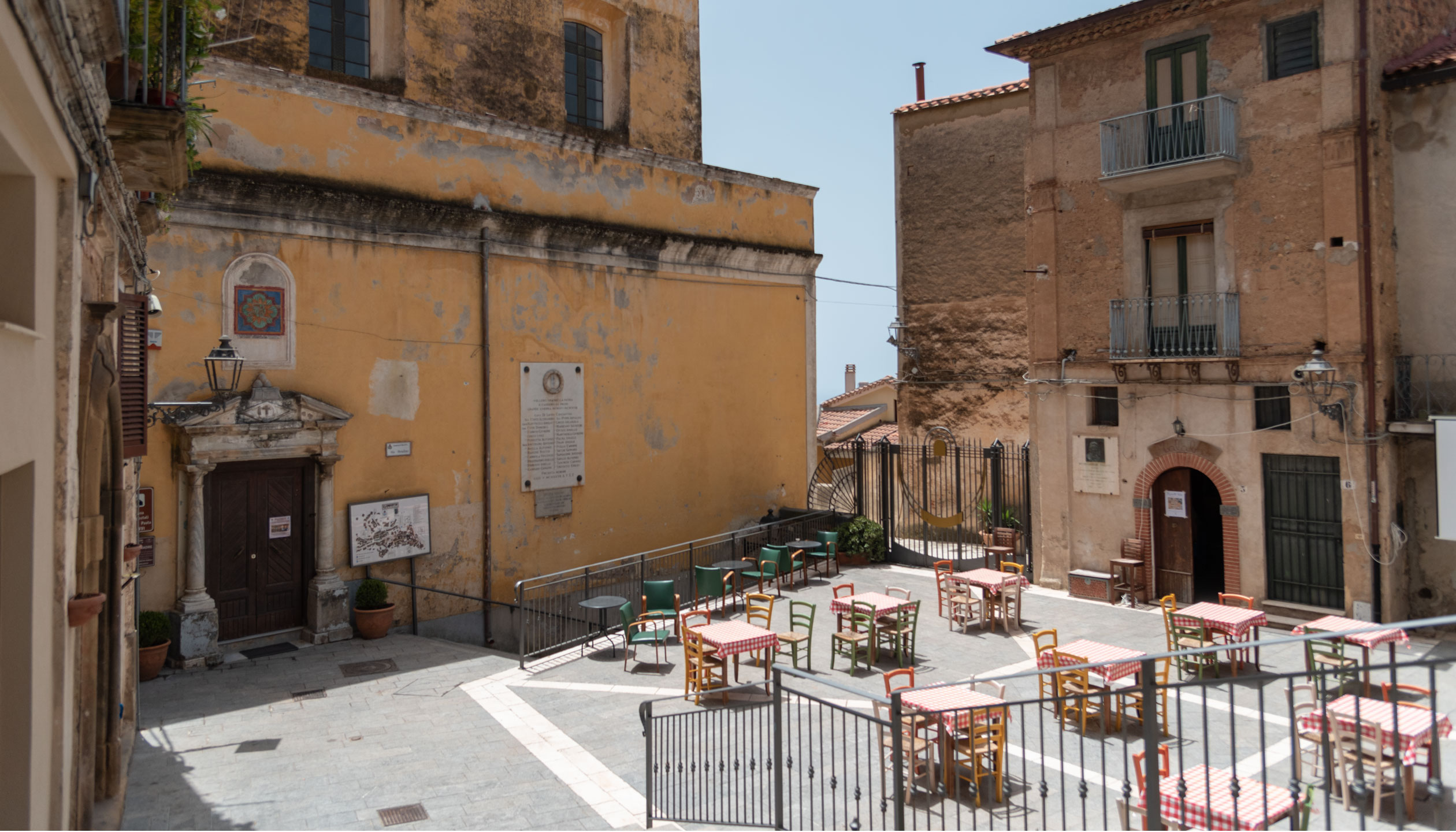
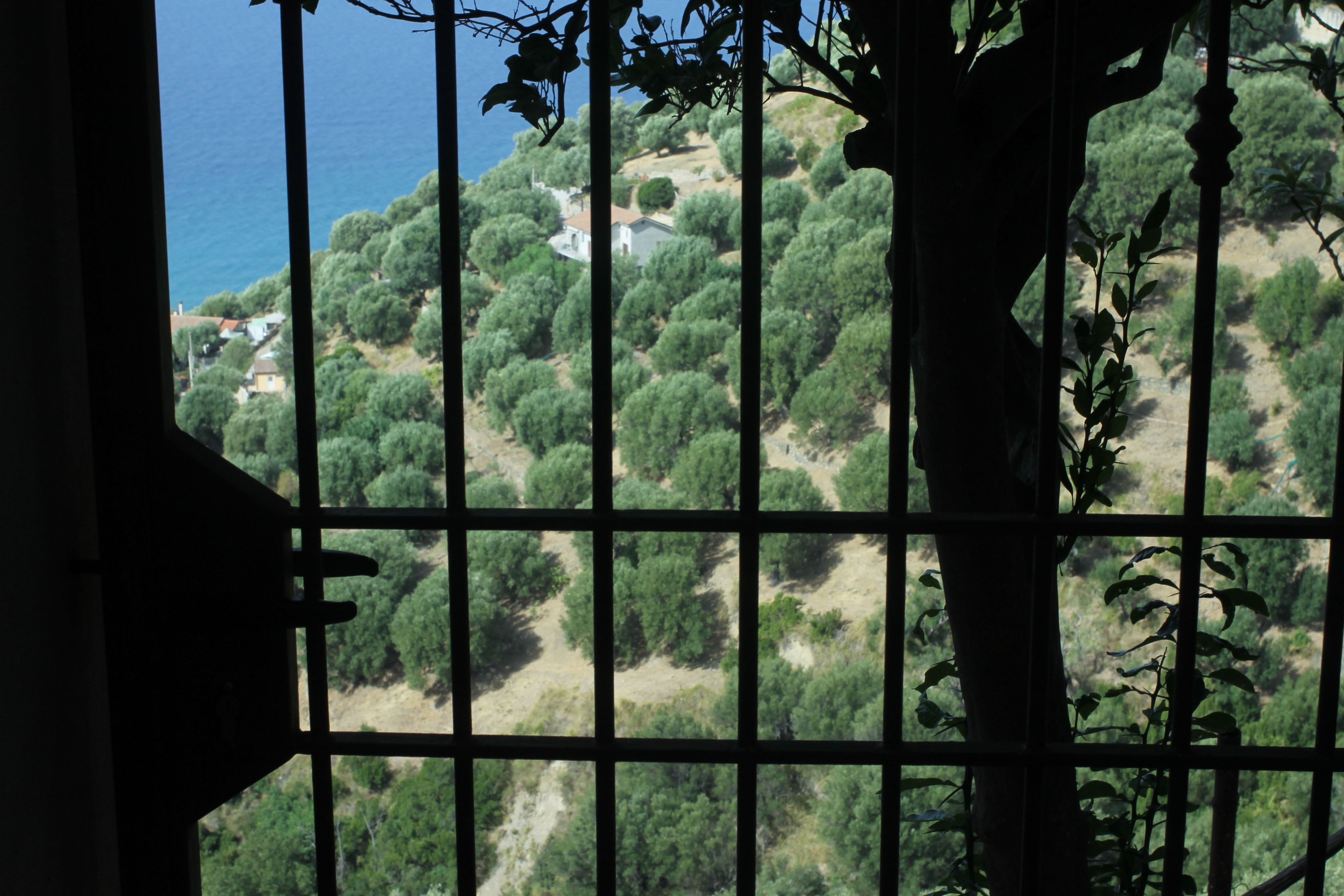
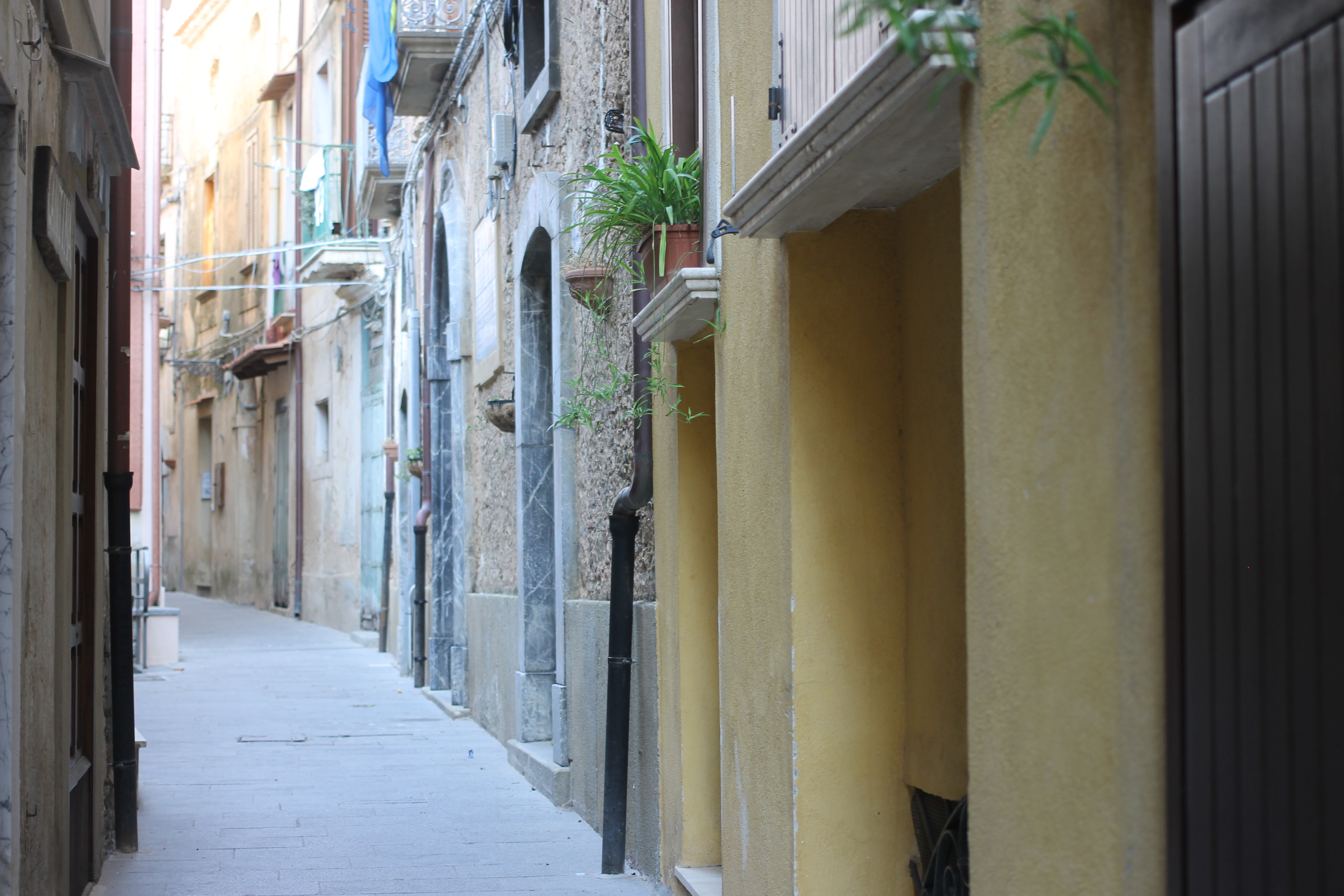
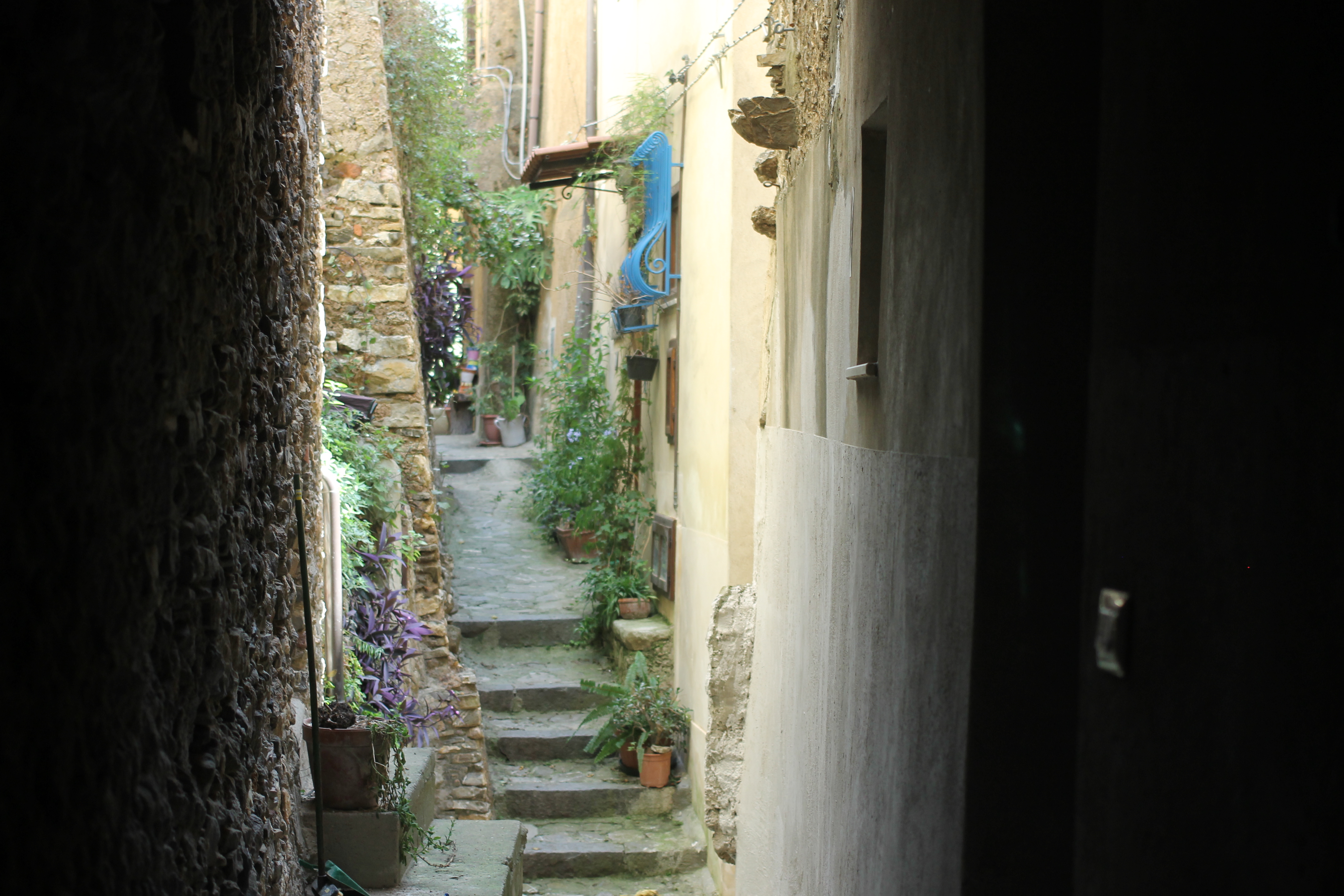
Its long history is visible in the town's architecture, which amplifies and enhances the natural beauty of the location: a splendid terrace overlooking the sea, nestled among ancient olive trees and dotted with many stately buildings. The sacred architecture is equally remarkable, with chapels and churches offering exquisite examples of the late Baroque style.
he vegetation is a vibrant expression of Mediterranean scrub, featuring chestnut and alder woods, broom, and the true symbol of Cilento: the Pisciotta olive tree. This is the oldest variety of olive tree, introduced by the Phocians who founded Elea.
Finally, Pisciotta preserves one of the oldest fishing techniques in the Mediterranean: the Menaica.
Also introduced by the Greeks more than 2,600 years ago, it is one of the most sustainable fishing methods in existence, yielding a product of absolute excellence: the Menaica Anchovies, a renowned Slow Food presidium.
Check availability